Published Research
Your support also enabled another breakthrough, published in Nature Sustainability, that transformed our understanding of Louisiana's coastal land loss crisis. While previous work blamed upstream dams for reducing river sediment, we discovered that levee construction and oil and gas extraction account for 80% of the land loss. This finding has immediate implications for the $2.3 billion Mid-Barataria Sediment Diversion project, suggesting it could be more effective than previously thought at rebuilding Louisiana's vanishing coastline.
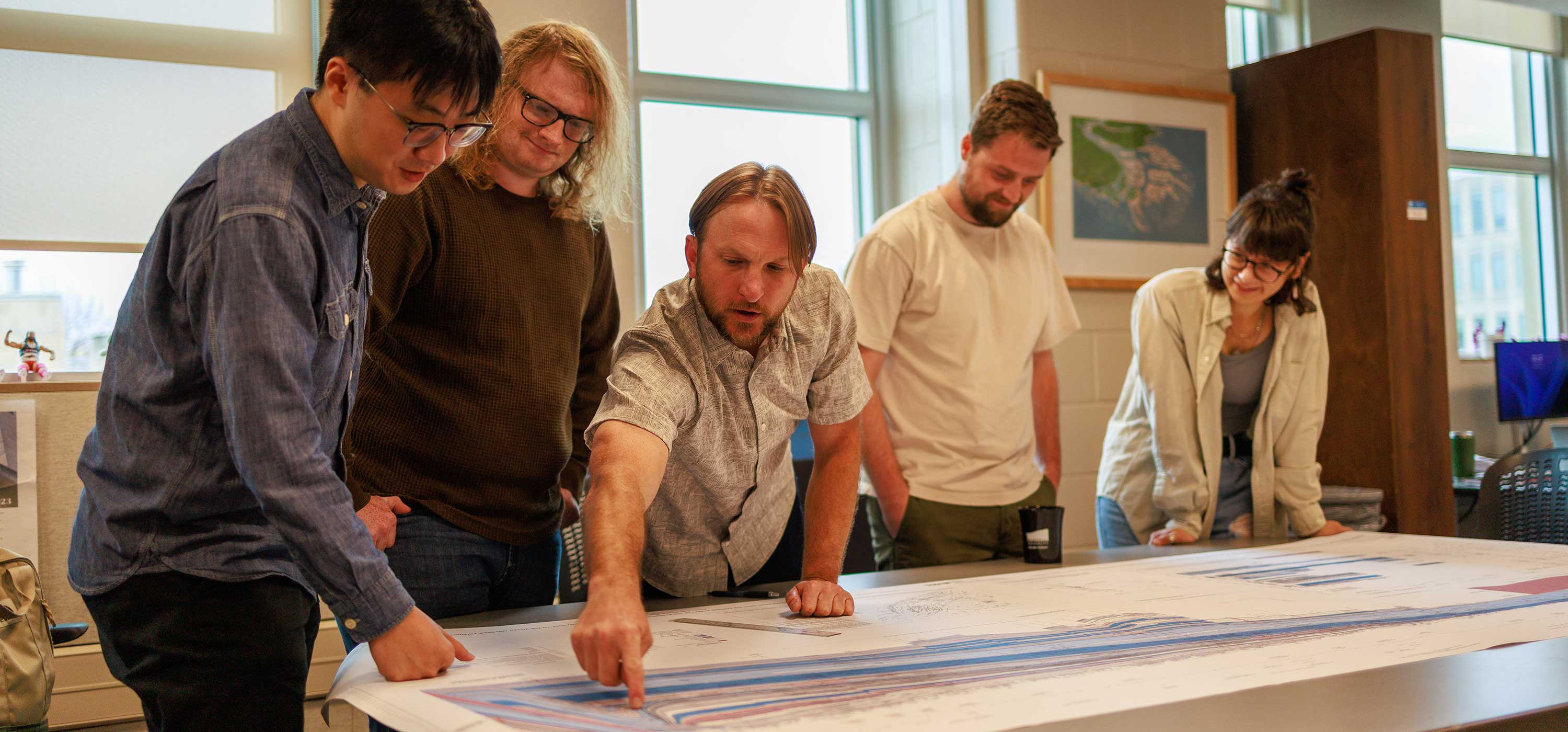
We're also advancing fundamental geological understanding through work on ancient river deposits. By combining traditional fieldwork in the Morrison Formation of Utah and Colorado with satellite analysis of modern rivers and computational modeling, we've revealed how rivers systematically change their behavior as they flow from mountains. This work, published in Sedimentology and Geology, exemplifies how modern earth science can weave together careful field observations with advanced technology while maintaining the rigorous standards of traditional geology.
Secured External Funding
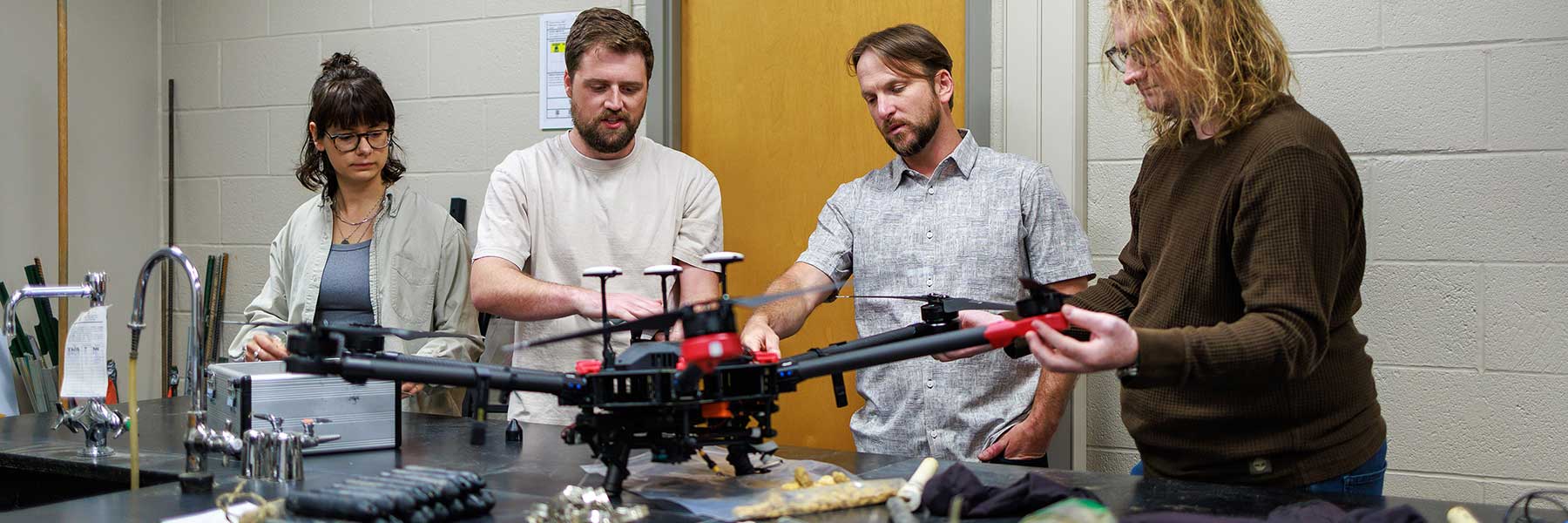
Your support through the Boyce Chair has enabled me to pursue three interconnected projects that exemplify my approach of combining careful field observations with innovative technology to understand how landscapes evolve:
My National Science Foundation (NSF) funded study of oxbow lakes represents a perfect example of this approach. When rivers bend and curve across floodplains, they sometimes create crescent-shaped water bodies when a river bend gets cut off from the main channel. While these lakes are incredibly important for wildlife habitat and can trap harmful pollutants, scientists don't fully understand how they form or why some river cutoffs become lakes while others don't. We're combining careful field measurements with computer models to test the idea that the angle at which a cutoff occurs is crucial in determining whether it becomes a lake. By studying oxbows along several rivers and measuring everything from water flow patterns to sediment buildup, we hope to predict where oxbow lakes will form and persist.
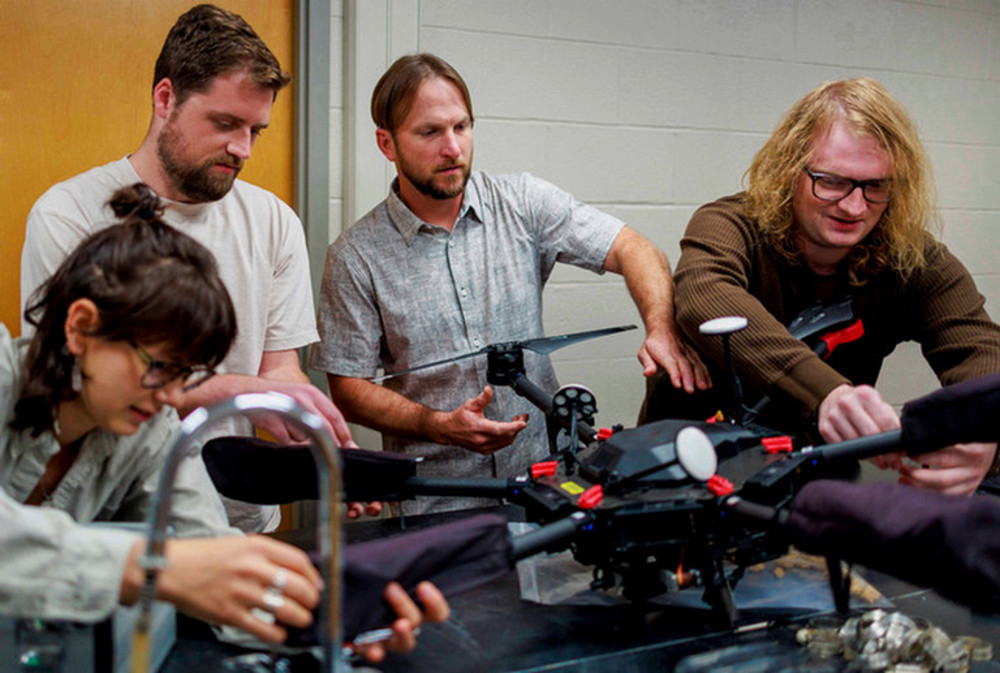
In another NSF project, we're using artificial intelligence to study how fallen trees shape forest landscapes. When trees fall in forests, they do more than just create gaps in the canopy - they actually help move soil down hillsides through a process called "tree throw," where toppled trees pull up soil with their root balls. We're using AI to automatically identify these distinctive pit and mound features in high-resolution topographic data collected by laser scanning. This helps us understand how factors like slope steepness and wind direction influence where trees are most likely to fall, crucial information for understanding both long-term landscape evolution and how forests might respond to increasing extreme weather events.
Finally, with funding from the USDA we're investigating how farming practices affect soil erosion in floodplain farms—agricultural fields next to rivers that flood regularly. While most people think of farm fields as flat surfaces where rain falls evenly, these areas often develop channels that concentrate water flow and can cause serious soil erosion, potentially threatening farm productivity. We're combining on-the-ground measurements during actual floods with computer modeling to predict how different farming choices (like what to plant and when) affect soil loss. Using repeated laser scanning of the entire state of Indiana, we're measuring how much soil is being lost from these channels. This work is particularly important as farming expands into these flood-prone areas to meet growing food demands.